A loose thread
It’s not so much that the thread is loose… it’s the weighing potential for it to completely unravel. And it’s not only that it could unravel, but that it could do so at an uncontrollable moment, poking a hole in your somewhat crafted self-assurance. Leaving it flailing.

Geelong Bay: Caitlin Leishman
It’s not so much that the thread is loose… it’s the weighing potential for it to completely unravel. And it’s not only that it could unravel, but that it could do so at an uncontrollable moment, poking a hole in your somewhat crafted self-assurance. Leaving it flailing.
So, it’s got to be done now, preferably yesterday, with needle and thread. A Sicilian seamstress deftly pricks and dips needle through lace like a daddy long legs repairing a web, the tools and rhythm an extension of their hands. Other, less experienced fingers believe that the tighter a needle is gripped, the more accurate the stitch will be…
…the folds of fabric, thicker than the needle chosen, tense under the pressure of a forced stitch, sending a warning of little sharp pains at the back of the neck. Tunnel vision prevents any pause or reflection.
The space between the nail and the top of the finger, at the threshold where the nail turns from white to pink, in there is where a slipped needle can spark mini bonfires of pain through the whole finger. It’s hard to get the blood out from under there.
Rinsing and scrubbing the blood out… Did your comment offend someone? Desperate for relevance, did you speak too much about yourself?...Glance up and notice a new pimple, leaning in pushing, and testing it with a little resignation, a little indecision. Incessantly picking at the delicate skin. Now there’s blood on your face. Pin-pricked.
From under embarrassment emerges a new image of oneself. Bathroom mirrors are functional things, but the space about a foot from them, where you plant your feet close to the basin, is one of the more exposing spaces we put ourselves in regularly. Turning them into our own Dorian Gray-like self-portraits.
The stitching is uneven but strong, and the pain in the finger bearable - but shame lingers.
Sometimes it takes more than a few stitches, more fortitude than is available to re-tune the sensory fronds in the mind that activate, they grip like impossible Velcro.
Other times, it’s because of these fronds that it’s easy to cry for fictional characters when the plot doesn’t go their way, that the news can be destabilizing to read, that one can understand an acquaintance’s body explaining something different to the words they’re speaking.
In a certain light the silver linings of anxiety have the potential to prompt intangible contributions to everyday.
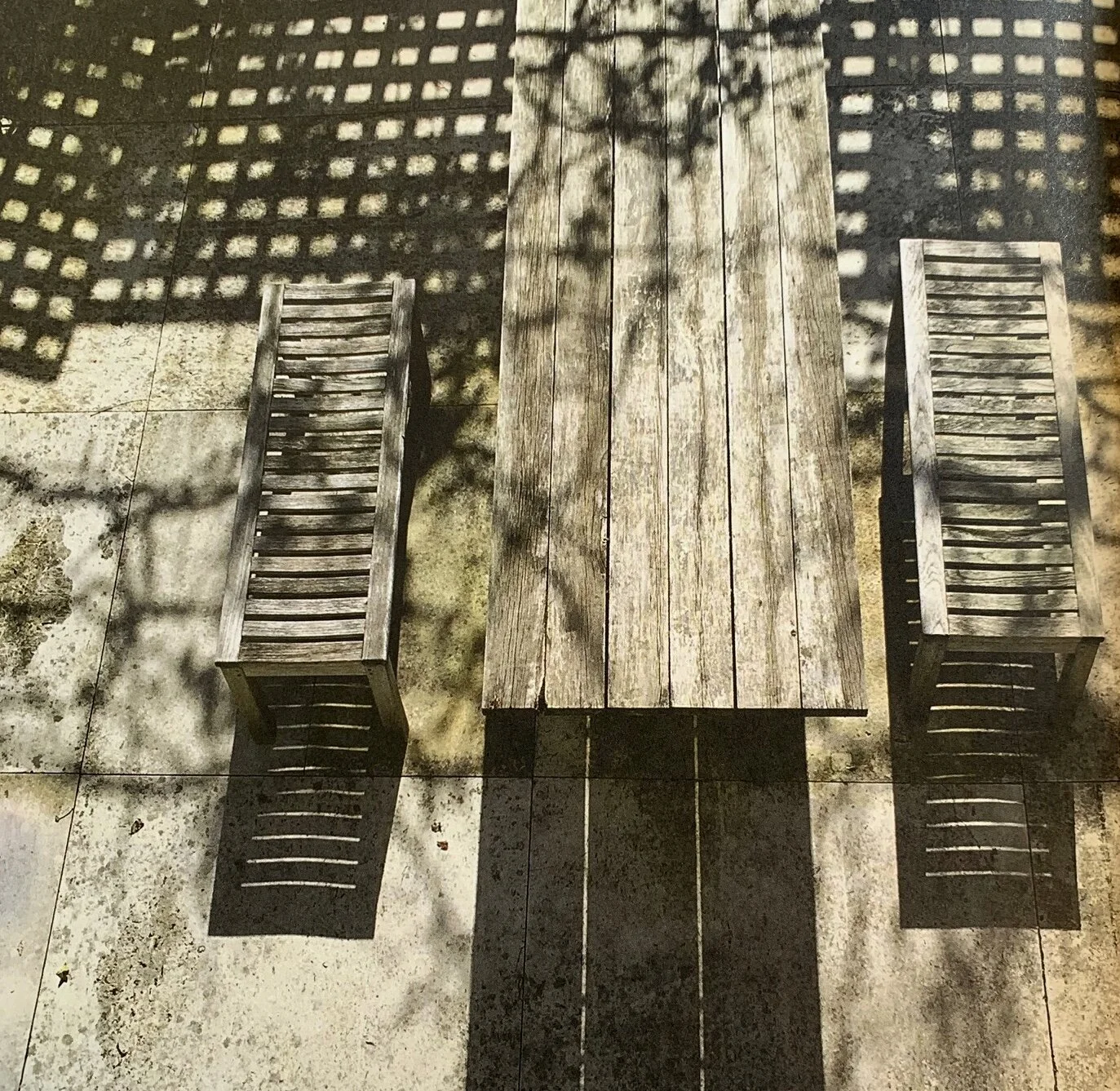
Spectrum: John Pawson
Photographers and Architects both frame space and are selective when at work. In his book, Spectrum, John Pawson clarifies the distinctions between the two practices, despite also evincing a common sentiment.
Photographers and Architects both frame space and are selective when at work. In his book, Spectrum, John Pawson clarifies the distinctions between the two practices, despite also evincing a common sentiment.
Pawson describes the therapeutic quality of photography as a practice, the sense that life passes with such hype that pressing pause on a detail, that is otherwise fleeting, brings about a sense of comfort. Through one moment and one click, photography preserves and reflects perspective.
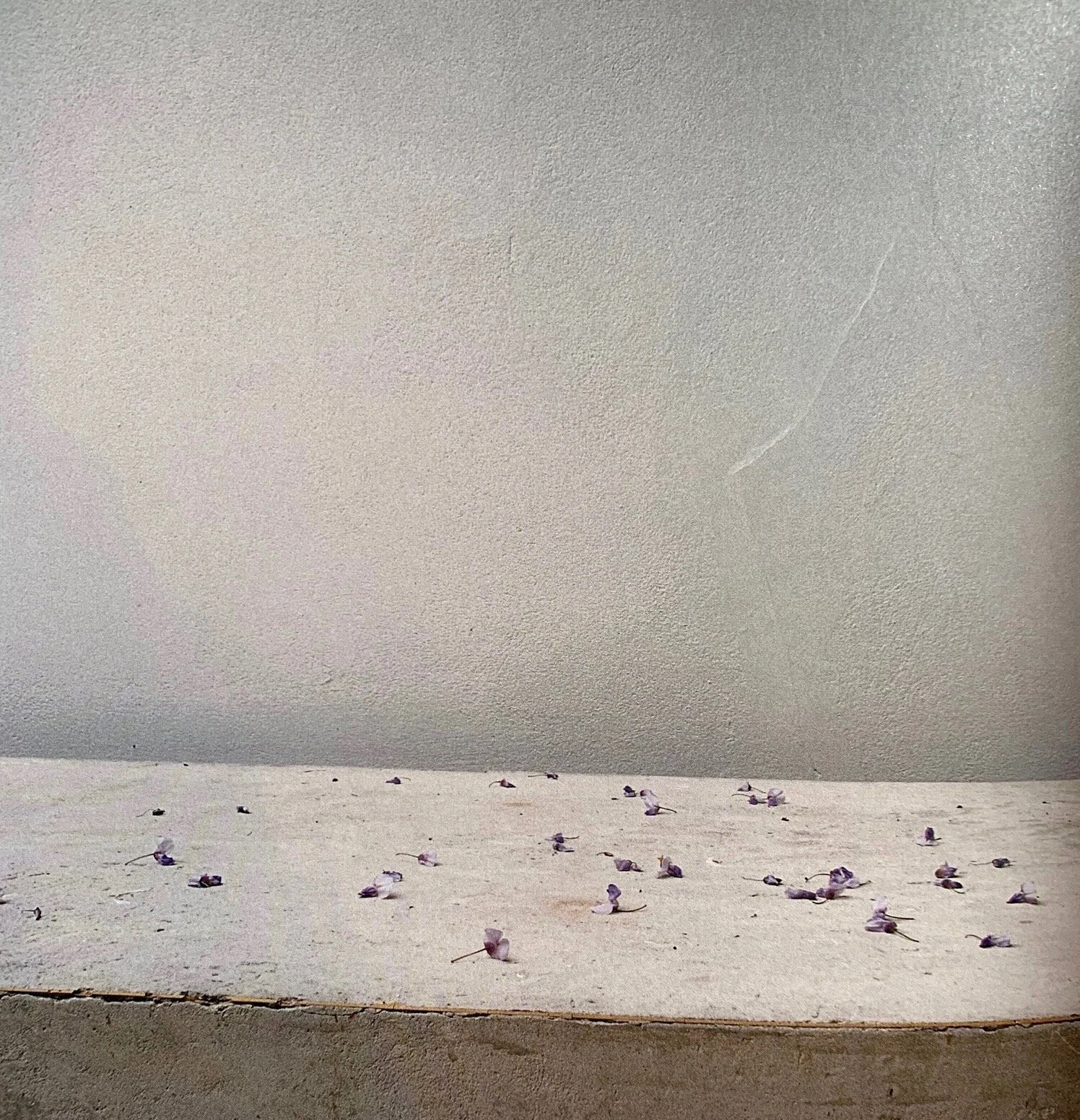
Image: John Pawson
Architecture, by comparison, is a practice of patience and permanency. Clients, finance, infrastructure and permits all push and pull winds into the road of the route to an architectural outcome. So it takes a certain kind of obsessive fierceness to ensure design prevails. Therefore, Pawson’s diverse folio of homes, airport lounges, churches, a monastery, museums and hotels among others, speaks to his successful design principles that pierce through potential impacts to the design process.
The Jaffa hotel in Tel Aviv structurally preserves aspects of its former life as a convent, while the blushing interiors add the warmth of an Israeli dusk. The white walls of the abbey of Our Lady of Novy Dvur Monastery in the Czech Republic, design-wise, feature light and not much else which opens up space for pensiveness. In Berlin, the Feuerle Collection is housed by Pawson’s refurbished bunker. The central black lake and minimal glowing light resets the senses for visitors as they meander ancient sculptural works of South-East Asia. Viewing these works, the space mimics characteristics of swimming, noise is drowned out, sculptures that can only be infinitely heavy seem to lightly float and you become very aware of your breadth.
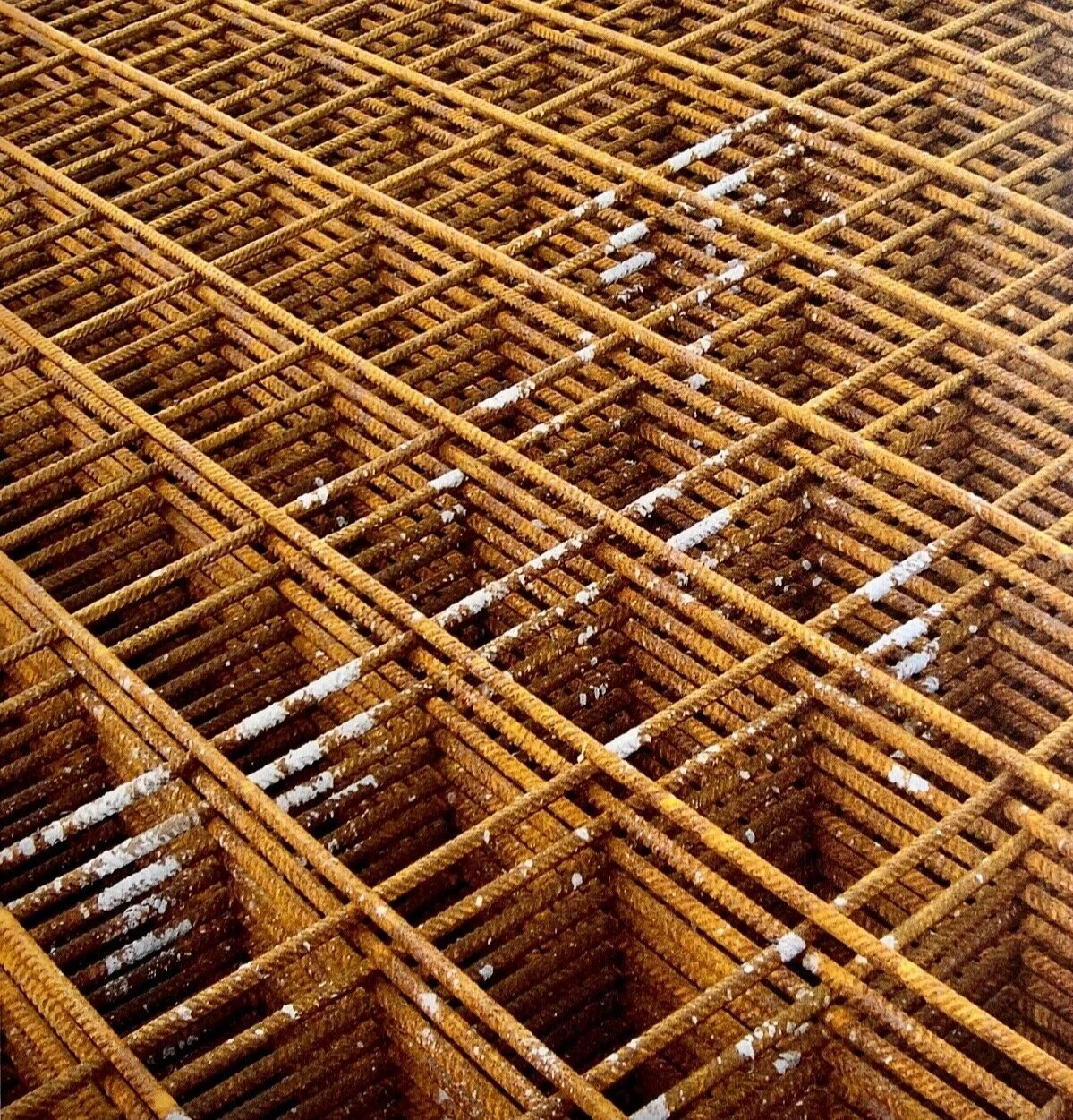
Image: John Pawson
Spectrum reveals a connection in the design philosophy between Pawson’s photographs and his architecture. This being a respect for materials, how they interact with light and their effect on the senses.
The Art of Designing a Gallery
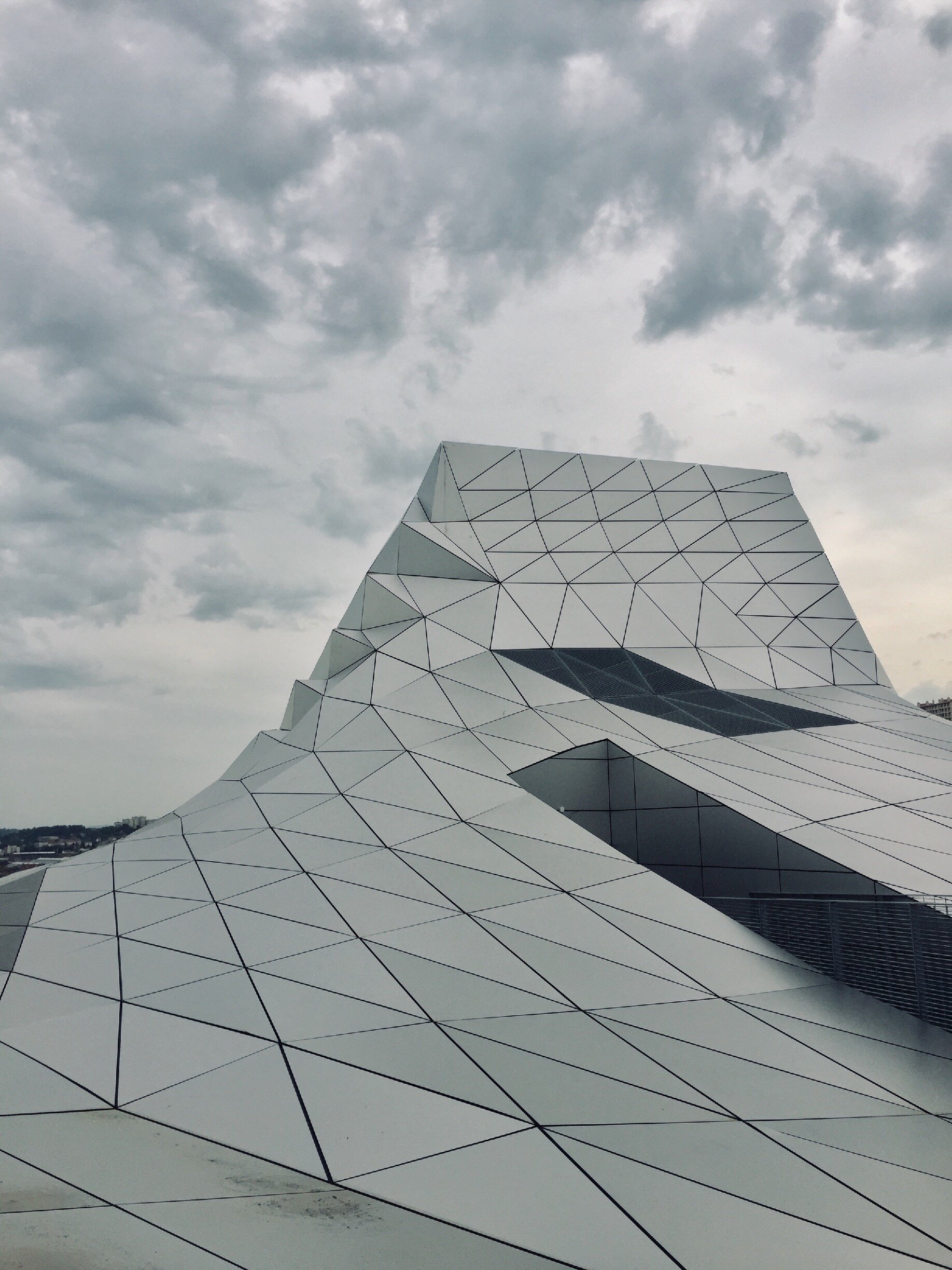
Architecture gives context to the values held during a particular time, in a certain place. A little like art. Even more so, a gallery’s design acts as a precursor, setting the tone for the art inside.
Caitlin Leishman, Lyon 2018
Architecture gives context to the values held during a particular time, in a certain place. A little like art. Even more so, a gallery’s design acts as a precursor, setting the tone for the art inside.
The Guggenheim’s revival of Bilbao
The ‘Bilbao Effect’ is a phrase that describes this building’s role in reviving the economic state of the northern Spanish city. Its startling design has encouraged the tourism required to drag Bilbao up from a worn and torn shipping port to the intriguing destination that it is today.
Built in 1997, the Guggenheim Bilbao was designed by Frank Gehry. The building is appropriately placed in some ways, a combination of curves and industrial materials like titanium, which pairs with the urban setting. In other ways it sticks out blatantly like a spikey, sparkly echidna with its bristles up. Jagged edges and odd angles create a protective shell for the art inside while unapologetically demanding attention. The gift is in this contrast. The titanium may glitter brightly or on a different day, with different weather conditions, it reflects clouds and the ripples of the La Salve river, complimenting its environment.
The interior is far from the white cube, rather there are many different types of spaces to be used purposefully for art, the light and shadows cast by the building are little works of their own. The Guggenheim Bilbao balances hard surfaces with reflective properties softening the overall effect. The materials used in the Guggenheim Bilbao nod to the distressed shipping port that the site once was while the design speaks to the city’s revival.
IK Lab’s Connection to Nature
Nestled into the Mayan Jungle in Tulum Mexico sits IK lab, which opened in 2018. The Gallery was initiated by Santiago Romney Guggenheim (the great grandson of Peggy). Futuristic and primitive all at once, this gallery was designed by Jorge Eduardo Neira Sterkel in collaboration with Guggenheim as an addition to Sterkel’s eco-friendly luxury resort. The building flows with concrete and wood surfaces incorporating tree branches and vines throughout. Hobbit like holes form a visitor’s view from inside the gallery out into the jungle. Walls and windows are decorated with wood and twigs in elaborate patterns like natural stain glass windows. The gallery’s respect for nature is not only demonstrated by the materials used in the build but also by factors such as the gallery being on stilts, as this design decision accommodates flora and fauna to go about their daily pursuits below undisturbed. In addition, no trees were removed in the construction of this gallery. Where the visitor is concerned, a shoe’s off policy delivers a heightened connection between visitor and the values of the gallery – connection to nature. The kind of art displayed is precise, working with the space rather than overwhelming it. Situated high in the treetops, the gallery lends a sense of clarity.
The power…of art and heritage at the Tate Modern
The Tate Modern used to be London’s Bankside power station and was renovated by Herzog & De Meuron in the 90s with Michael Casey as the project architect. Dark urbanism is styled into the geometric shapes within the massing of the spaces. Although it provides adequate space for incredibly large installations there is subtle respect to the building’s heritage as the scale points to the size of the generators and oil tanks that it once held, the Turbine Hall’s dramatic entrance is one example. A modern touch, the ceiling light box, opens up the space for viewing art. The Tate’s structure hints at the power of art and the endurance of heritage.

Consuming Art
The way that art is consumed changes constantly. From social media, where art is viewed through someone else’s lens, to street art where unassuming bystanders become an audience. But these are only a couple of ways to consider the changing consumption of art.
Jeppe Hein, at National Gallery of Victoria, 2018
The evolution of the way we consume Art
The way that art is consumed changes constantly. From social media, where art is viewed through someone else’s lens, to street art where unassuming bystanders become an audience. But these are only a couple of ways to consider the changing consumption of art.
How would you like to see the consumption of art evolve? We asked for the opinion of those across the industry...
Marion Borgelt - Marion is a contemporary Australian artist who has practiced in Sydney, Paris and New York.
My first reaction is to question the word ‘consumption’ because it brings to mind the act of ‘using up ’of utilisation, expenditure, depletion, exhaustion, wasting, squandering, draining, dissipating… I would rather use the words ‘enjoyment and ownership’, which bring to mind something positive and that in turn leads to the idea that enjoyment and ownership of art can enrich people’s lives.
Artist-run initiatives play an important role in building a community and often form a bridge between the artists’ studios and established, professionally run galleries. They are an excellent starting point for artists to connect with their peers and equally play a significant role in bringing artists’ work to a broader audience.
However, art is an expression of the times, whether it’s about the social and political conundrums of our world today, or the more personal statements that fill our heads daily. Unfortunately, the purchasing of art is based on discretionary spending and because it is not considered an absolute necessity to our well-being it is frequently the last item that is purchased, if at all. I would like to see our values towards art change so that it becomes a bigger priority in people’s daily lives. We, who are already in the art milieu know the value of art in our lives but what about everyone else—where do they get their poetry and existential ‘kicks’ from?
Della Butler- Studio Coordinator, Gozer Media
Della worked at Sutton Gallery in Melbourne while also developing her own style of artistic practice, before joining Gozer Media.
I believe that art should continue to shift and change with society’s growth. It is important that it engages with, questions and reacts to current issues.
Hayley Haynes - No Vacancy Gallery
Hayley is the Gallery Manager at No Vacancy Gallery, a Melbourne-based contemporary hire-gallery which links artist-run initiatives and the commercial art world.
I would love to see the consumption of art simply slow down. Whilst it is wonderful how much access we now have to the art world online, I would really love to see people spend more time with art in person. Let the gallery be a place of escape where time stops.
With this being said, I would love to see more people feel less intimidated by art spaces. This is not a new challenge, but it is one that persists. We really try to make No Vacancy a very comfortable space and having the cafe attached certainly helps us bring art to those who might not normally enter a gallery. I think due to the challenging nature of a lot of contemporary art, people often feel that they need a degree in art theory to legitimize their presence in an art space. I want people to feel that it is OK to not understand everything, and furthermore to allow themselves the opportunity (through taking the time) to perhaps take something away from the works on show - to bring their own meaning.
It would appear then that the way art is consumed, person to person, depends on how much the individual values art against other necessities in their lives. Whether they feel art has the ability to inform them or bring enjoyment. The level of importance that an individual places on art then informs how that person will choose to consume it, and therefore how much they allow art to enrich their lives.

The Lunch Hour
Quite a lot can be gleaned about a person from the way they spend their lunch hour. For example, are you:
a. Someone who catches themself looking down at their keyboard wondering how long the bits of brown rice and quinoa have been stuck in it?
Caitlin Leishman
Quite a lot can be gleaned about a person from the way they spend their lunch hour. For example, are you:
a. That member of the work family, chomping at the bit for the baked goods offered up by the full-time manager/part-time baker of the group?
b. A victim of the lunchtime meeting who cannot help but spend longer than needed waiting in the trendy coffee line along with an equally guilty colleague?
c. Someone who catches themself looking down at their keyboard wondering how long the bits of brown rice and quinoa have been stuck in it?
Me? I try to cram as many errands as possible into a lunch hour. This generally ends up with a long line at Priceline, prescription in one hand, and sushi roll in the other getting frustrated by my inability to multitask any further. So I scroll Instagram to pacify myself. What does this say about me? Don’t worry I’m working on it…
After a brief, though perhaps not so scientifically reliable, Google search I can tell you that there is a lunch hour alternative that could contribute to a more productive afternoon. The answer is your local artist run initiative (ARI) or gallery. A few CBD suggestions include:
NO VACANCY: 34-40 BELL LANE MELBOURNE, QV BUILDING
No Vacancy blurs the lines of an ARI and a commercial gallery. It’s a welcoming and experimental space like an ARI but it is also a great spot to purchase art from local artists. The space itself is hired for functions and artist talks or book launches and is adjoined to its own espresso bar. Although in the heart of the CBD, the industrial interior of exposed piping and concrete walls provide an escape from the surrounding office environments. The nature of the building has even been known to influence artists exhibiting, altering their exhibition to make the most of the industrial elements.
WESTSPACE: LEVEL 1/225 BOURKE ST
Getting into Westspace has you stomping up past a lawyers’ office and onto a second staircase. If the retro tiling and OH&S approved stair labels, reminiscent of a high school change room, are concerning you then you’re heading in the right direction. The walk is worth it. Westspace began as an ARI in 1993 but is now more of a blend between a not-for-profit experimental ARI space and a contemporary gallery. With four varying but large gallery areas weaving into each other it lends itself well to group shows and public talks and programs.
NEON PARC: 1/53 BOURKE ST
Situated down an alleyway by a Wilson’s parking complex, the entrance to Neon Parc is generally obscured by a vehicle so you’ll need to keep your eyes peeled for signage. It is an intimate two-room space, which differs from the much larger renovated factory of Neon Parc’s other location in Brunswick.
So, to avoid morphing into a figure from John Brack’s Collins St 5pm, I can suggest a daily dose of art. Just 10 minutes in an ARI or gallery, or a stroll down a lane full of street art is a distraction from the everyday grind – even if it is just on the way back from getting your sushi rolls to eat over your keyboard.